Understanding the World Surfing Reserve
What a World Surfing Reserve is, why Ericeira was chosen in 2011 as the first in Europe, the protected waves, and what the designation means for visitors.
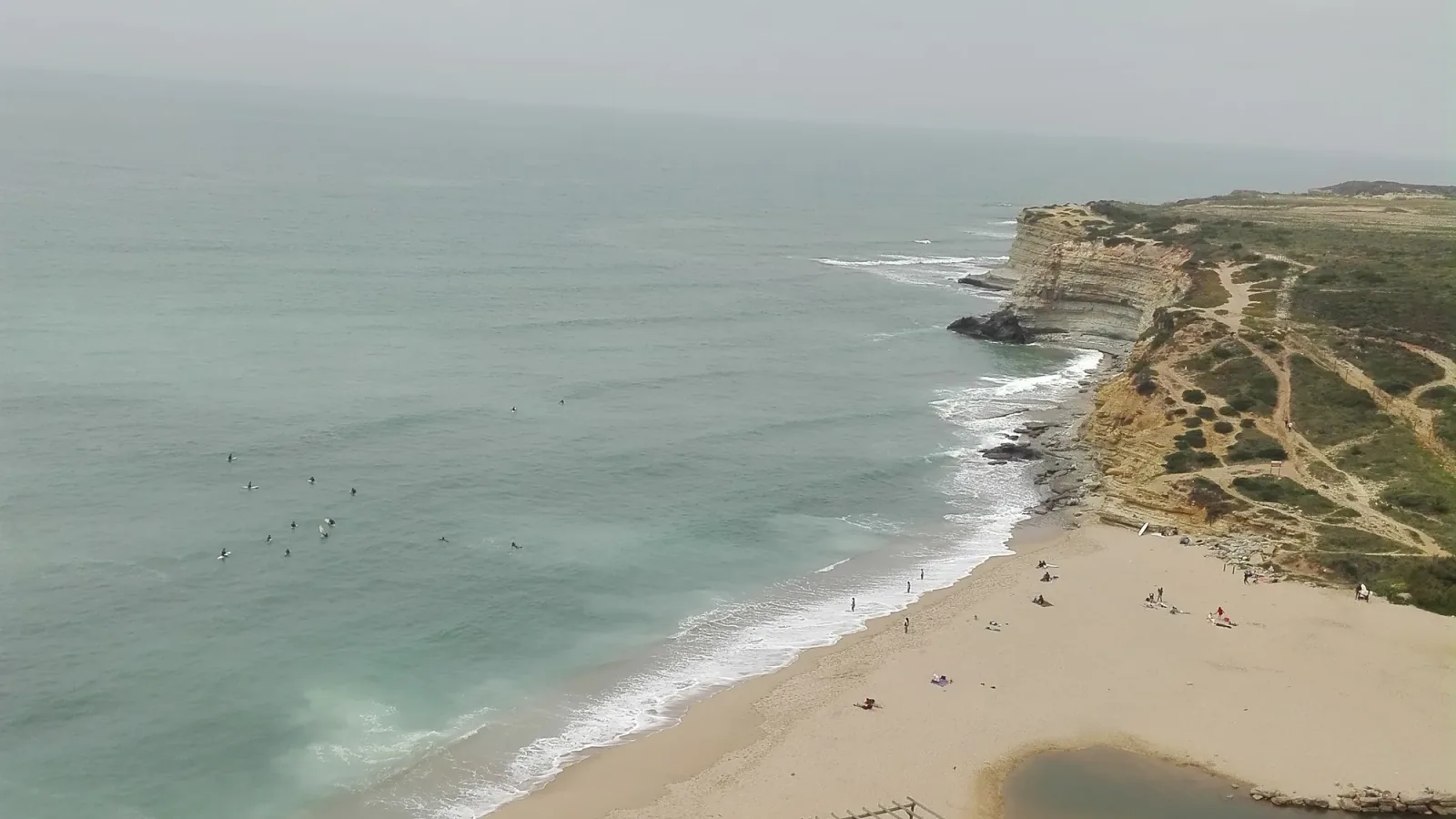
Spend a day in Ericeira and you will see the phrase World Surfing Reserve everywhere, on signs, in shop windows, in conversation. It is not marketing. Ericeira holds a genuine international designation, and understanding what it means adds a real layer to any visit, whether or not you surf. Here is what the Reserve actually is and why this stretch of coast earned it.
A World Surfing Reserve is a formal recognition given through a programme run by the Save The Waves Coalition. The idea is to identify outstanding surfing areas and protect them as whole ecosystems, the waves themselves, the surrounding coastline and water quality, and the surf culture and community that depend on them. It is closer to a nature reserve in spirit than to a sporting title.
Ericeira was designated a World Surfing Reserve in 2011, becoming the first in Europe and, at the time, only the second in the world. That status still sets it apart, as only a small number of these reserves exist globally. For a small Portuguese town, it was and remains a significant distinction.
So why Ericeira? The core reason is density and quality. A short stretch of coast, only a few kilometres long, holds a remarkable concentration of high-class waves breaking over reef, several of them considered world-class. Add consistent Atlantic swell for much of the year and a deep-rooted local surf culture, and you have exactly the kind of place the designation exists to protect.
The protected zone runs along the coast north of the town and takes in a series of named waves. Among the best known are São Lourenço, Coxos, Pedra Branca, Reef and Ribeira d’Ilhas, each with its own character, from mellow to genuinely heavy. Packed into a few kilometres, they give the reserve an unusual variety within walking or short driving distance.
Coxos is often singled out as the jewel, widely regarded as one of the finest right-hand point breaks in Portugal, a powerful, high-quality wave that draws experienced surfers when it is on. It is a reef break for confident surfers, not a spot to learn at, and much of the reserve’s reputation rests on waves like it.
Ribeira d’Ilhas sits at the more accessible end of the spectrum. It is a long, more forgiving wave that has hosted international competitions over the years, and its natural amphitheatre of cliffs makes it as good to watch from as to surf. For many visitors it is the friendliest introduction to the reserve’s waves.
It helps to understand what protection actually means here. A surfing reserve is not a museum, and the waves are not fenced off. The designation is a framework for safeguarding what makes the area special: the quality of the waves, the cleanliness of the water, the health of the coastal environment, and continued public access, against pressures like pollution and unsuitable coastal development.
For visitors, the reserve carries a quiet responsibility as well as a privilege. Surfing these waves, or simply watching them from the cliffs, means treating the place with care: take your litter home, respect the local community and the line-up etiquette, tread lightly on the coast, and support the local economy that keeps the reserve alive. The protection only works if everyone, residents and visitors alike, plays their part.
The designation is not just a plaque, it is backed by local stewardship. The reserve is looked after by a local structure working with the wider programme, monitoring water quality and the state of the coast and speaking up when development or pollution threatens the waves. That community involvement is exactly what the World Surfing Reserve model is built on, and it is a large part of why Ericeira’s status has held up over the years.
Understanding the reserve changes how the coast reads. What might look like just another pretty shoreline is a formally recognised, actively protected surfing environment, the first of its kind in Europe. Whether you paddle out at Ribeira d’Ilhas or simply watch the sets roll into Coxos from the cliff, you are looking at waves that a whole community fought to protect, and that is worth knowing.