Choosing your dates
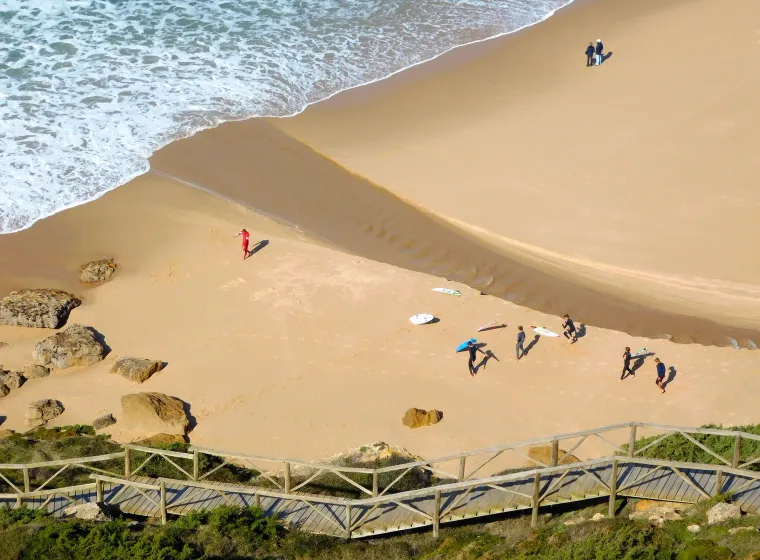
The season changes the trip more than the length of your stay. Summer is the gentlest and warmest time, with smaller swells, forgiving beach breaks and surf schools in full swing. It is ideal for beginners and families, but it is also the busiest period, so book accommodation and the popular restaurants early.
Autumn, and October in particular, is widely considered the best time to surf: consistent, clean swells, fewer crowds and water that is still relatively warm. If you are an intermediate surfer, this is when the weekend and one-week plans above work best.
Winter, from November to March, belongs to experienced surfers, when the heavy reefs of the Reserve come alive. For everyone else it is a quiet, local season: shift the balance of the itineraries towards the town, long lunches and the day trips to Mafra and Sintra, and keep beach time for the calmer days. Whatever the month, the water sits roughly between 14 and 18°C, so pack a wetsuit even in summer.
If you do not surf, or travel with children
Every plan on this page works without a board. Swap the surf sessions for beach time at Praia dos Pescadores, the sheltered town beach below the harbour and the safest place to swim with children, or at the small São Sebastião cove a short walk north of the centre.
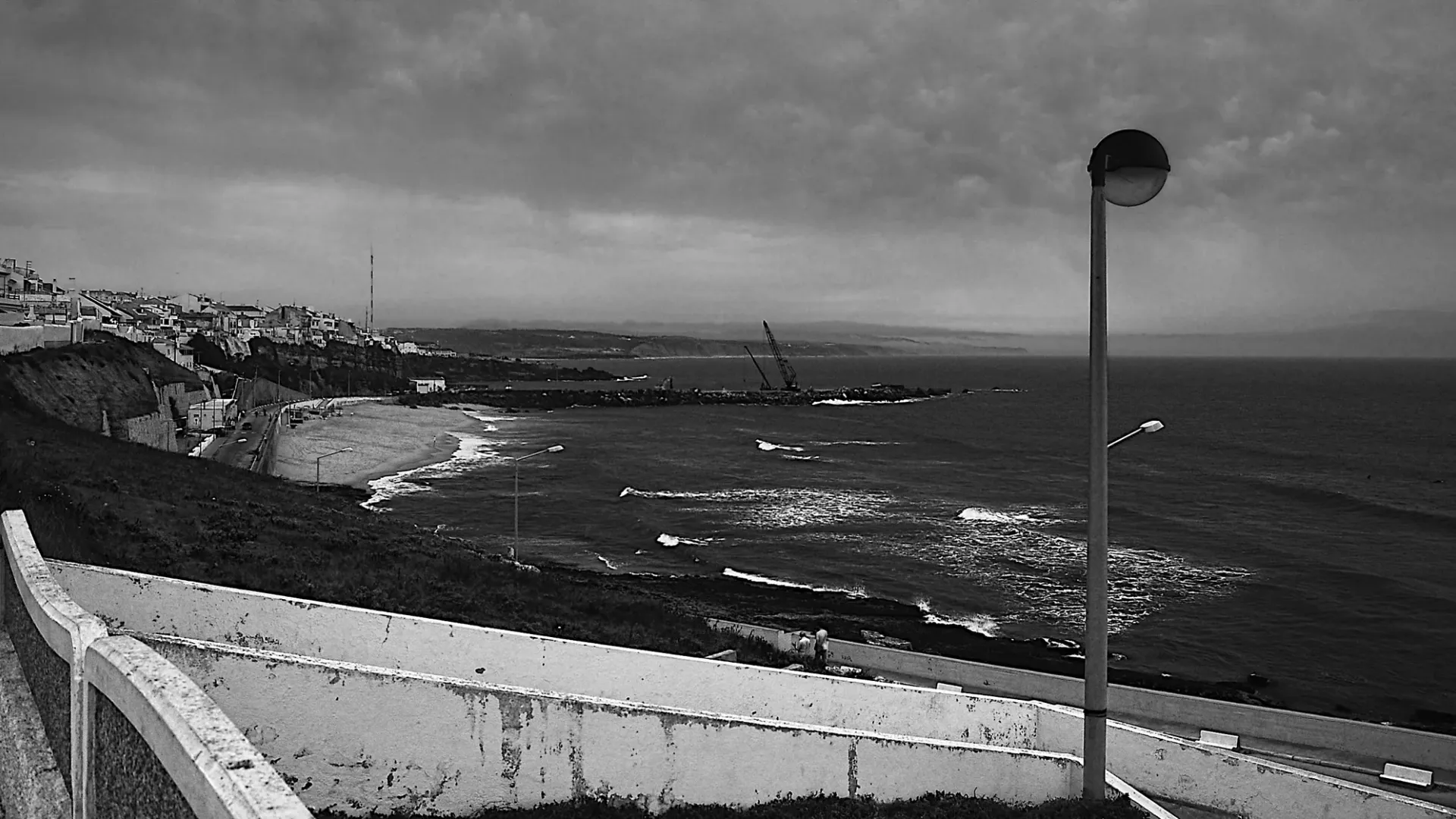
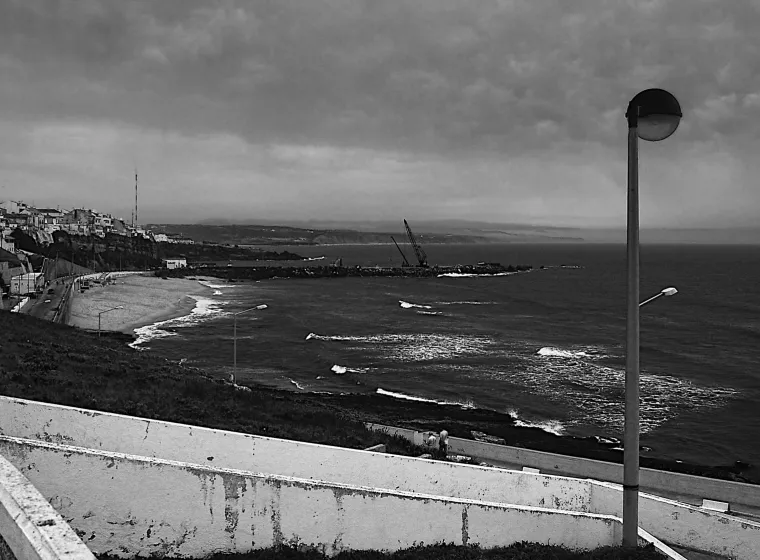
Watching is part of the fun too. From the viewpoint above Ribeira d’Ilhas you can follow the surfers on the long point for an hour without getting wet, and the clifftop boulevard above Praia do Sul is the town’s natural meeting place at sunset.
On the days you would spend surfing, give more room to the palace at Mafra, the gardens and palaces of Sintra and the seawater pool at Azenhas do Mar. Our things to do page and the journal post on Ericeira for non-surfers have more ideas.
Doing it without a car
You can enjoy Ericeira without driving. The Carris Metropolitana bus runs from Campo Grande in Lisbon, and once you arrive the old town, Praia dos Pescadores, Praia do Sul, São Sebastião and the Matadouro reef are all within walking distance of each other.
The one-day and weekend plans work well on foot if you keep to those town beaches. Foz do Lizandro, São Julião and Ribeira d’Ilhas are further out, and Calada and Coxos really need a car, so plan a taxi or ask your surf school how students get to the beach.
Day trips are harder without a car. Check the Carris Metropolitana site or app the night before for current routes and timetables, especially the last bus back, and see our getting here page for the options from Lisbon and the airport.
Making the plans your own
Treat these itineraries as a starting point, not a timetable. The ocean decides a lot here: check the webcams and a forecast in the morning, keep a backup beach in mind, and be ready to swap a beach day for a day trip when the wind turns onshore.
The town is small, so you rarely need to rush. Use the beach finder to match a beach to the day’s conditions and the trip cost calculator to estimate a budget before you book.